Then Jesus said to the Jews who had believed in him, “If you continue in my word, you are truly my disciples, and you will know the truth, and the truth will make you free.” (John 8:31-32)
Truth and Post-Truth
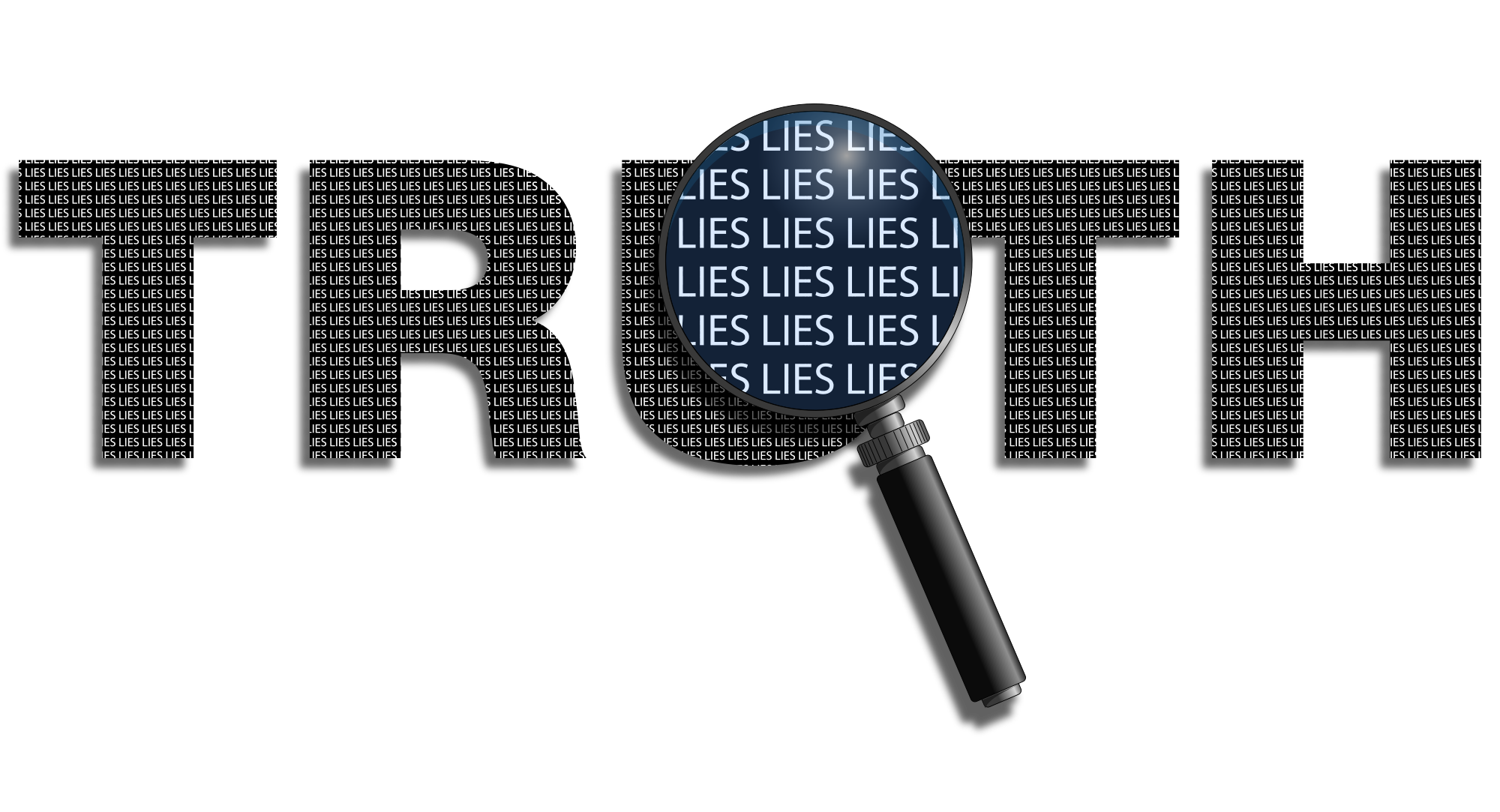
The question of truth is the most important part of human existence. Among all God’s creatures, humans are probably the only ones who primarily seek after truth. There are no philosophers among the primate kingdom, neither among the fishes of the sea nor the birds of the air. But humans are philosophers. Whether we are trained philosophers or not, we are always thinking, “What is truth?” “What is right?” “What is wrong?” “What is false?” Today, we live in what is known as the “post-truth era”. Today, anyone can say what they want, and after saying it many times, it is passed on as an eternal truth. It is a challenge for us today when many people, no matter what their qualification is, speak “their truth”. Not the truth, but rather “a truth”. They are so confident in their belief. They believe it fully, even if it is false. So you can imagine the struggle that doctors have in trying to help the patient accept a treatment. Or the struggle of lawyers and lawmakers in crafting laws for the good of the nation, or judges and police, in trying to defend the law. Or scientists and other experts who are struggling to communicate their findings with others. In so many parts of our society today, we are living in the post-truth world, or an even better phrase, the “my truth” world.
Jesus and Truth
Jesus came into this world and he said, “If you continue in my word, you are truly my disciples and you will know the truth and the truth will set you free”. On the day of his crucifixion, Pilate asked Jesus, “What is truth?” And he ended the conversation there. Pilate did not seek the answer to the question. He didn’t want to know what the truth was. He did not want to deal with the consequences of the truth.
Jesus came into this world to reveal to us the truth. The vital and singular truth on which hinges the whole existence of humanity. “Who are you?” “Why are you here?” “And where are you going?” These are known as existential questions. They are the foundations of our life. At some point in your life, you will ask these questions. And at some point in life, today or tomorrow, if we don’t have an answer for them, our life starts to fall apart. How many marriages fall apart because the couple doesn’t know why they are married? How many relationships between parents and children fall apart because they don’t understand their relationship? If you don’t ask the question today and seek its answer, then you will be ill-prepared to deal with this dilemma during some critical struggle or difficult tragedy in your life.
Then they said to him, “What must we do to perform the works of God?” Jesus answered them, “This is the work of God, that you believe in him whom he has sent.” So they said to him, “What sign are you going to give us, then, so that we may see it and believe you? What work are you performing? Our ancestors ate the manna in the wilderness, as it is written, ‘He gave them bread from heaven to eat.’ ” Then Jesus said to them, “Very truly, I tell you, it was not Moses who gave you the bread from heaven, but it is my Father who gives you the true bread from heaven. For the bread of God is that which comes down from heaven and gives life to the world. (John 6:28-33)”
What does Jesus mean by “knowing the truth” in John 6:31-32? When the Jews inquired about how to please God, Jesus responded that they should do the “work of God” which is to believe in his words. They requested a miracle which would back his words namely, another miracle of food. The Jewish people did not at first doubt that Jesus was the Messiah but they wanted proof. They trusted in Yahweh who led them out of Egypt and fed them with manna. The response of Jesus is powerful because he makes the claim that he is that same God. “I am the bread of life.” When Yahweh spoke to Moses out of the burning bush, the Lord proclaimed his name in what is known as the Tetragrammaton, or the four Hebrew letters of God’s name: Y-H-W-H. It is often translated into the mysterious phrase “I am who I am”. This is the ultimate truth. It is the ultimate revelation: to know who the Supreme Being is. “I am, and I will be; without beginning or end. I am the Creator, the God over all things.” Moses heard this and he went forth to carry out his call. Jesus spoke the same words to the people but they were not able to accept it. They were seeking a different answer, or a different truth. But God did not come into this world to give them what they wanted. God came into this world to give them what they needed. We need the truth, and this truth leads to abundant life. Those who refuse to accept it are in the hands of God; He alone will decide their case.
In the next posts, we will deal with two continuing ideas: truth and judgement, followed by a discussion of the reality of Christ, the living Truth, upon our life.